49 Park St. Hudson, MA 01749
 857-880-7975


TCT Contractors
49 Park St. Hudson, MA 01749
857-880-7975
Steep slope roofing refers to roofing systems that are installed at a pitch greater than 3:12 (three inches of vertical rise for every twelve inches of horizontal run). This type of roofing is commonly found in residential buildings as well as some commercial structures, and it has distinct characteristics and advantages:
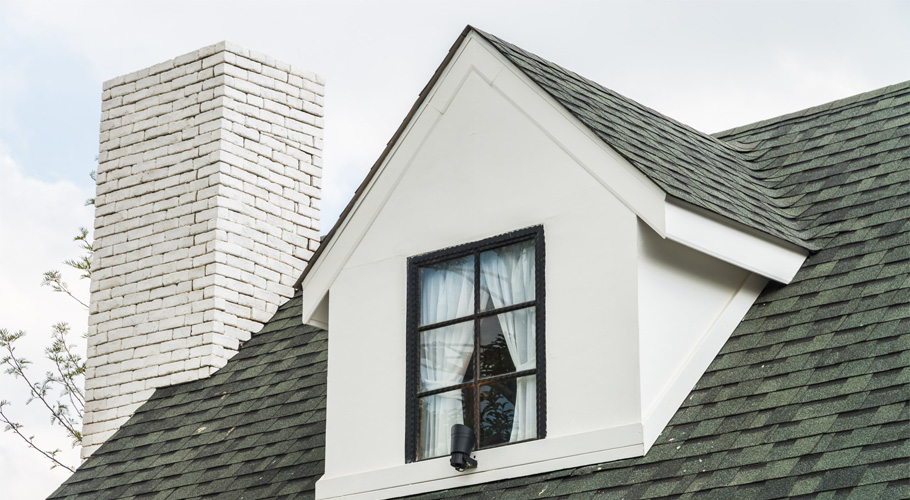
1. Pitch: Steep slope roofs have a slope that aids in water drainage and prevents the accumulation of snow and debris, which reduces the risk of leaks and damage.
2. Material Options:
o Asphalt Shingles: The most common material for steep slope roofs; they are cost-effective, easy to install, and come in a variety of colors and styles.
o Metal Roofing: Durable and long-lasting, metal roofs can be installed in various profiles and colors and offer excellent resistance to weather elements.
o Tile: Clay or concrete tiles provide a distinctive aesthetic and are highly durable, but can be heavier and more expensive.
o Slate: A natural stone option that is extremely durable and aesthetically appealing, though it is typically more expensive and requires a stronger structure.
3. Ventilation: Proper ventilation is crucial for steep slope roofs to prevent heat buildup in the attic and minimize the risk of ice damming in colder climates.
• Limitations: Most building codes allow only one additional layer of roofing materials. Thus, if a roof already has one overlay, further roofing options may require a complete tear-off.
• Underlying Issues: Any existing problems (like leaks or structural damage) must be addressed before recovering; otherwise, the new layer may not hold up well
Re-roofing refers to the process of completely removing the old roofing material and replacing it with new material. This service is typically warranted when the existing roof is severely damaged or has reached the end of its lifespan.
• Thorough Inspection: The roofing structure is inspected for underlying issues such as rot, moisture damage, and structural integrity before new materials are installed.
• Longevity: A complete re-roofing generally results in a longer-lasting roof with warranties that cover a new lifespan.
• Greater Design Flexibility: Homeowners can choose new materials, colors, and styles that better fit their aesthetic preferences or energy-efficiency goals.
• Higher Costs: Re-roofing is generally more expensive due to the labor involved in tearing off the old roofing and additional disposal costs.
• Time-Consuming: The complete removal process can take longer than recovering, potentially causing disruptions to daily life or business operations.
• Building Codes: Compliance with local building codes is critical, especially regarding materials and roofing structure.
Both recovery and re-roofing services offer viable options for extending the life of a building’s roofing system. Choosing between the two typically depends on the condition of the existing roof, budget considerations, and long-term roofing goals. Consultation with a professional roofing contractor can help determine the best path forward based on specific needs and conditions.